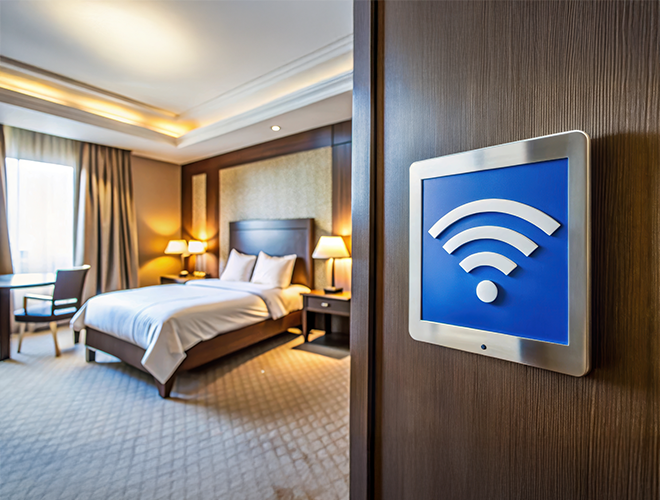
In today’s generation, internet access is no longer an added convenience. It has become a basic expectation for most guests staying at hotels, especially reliable hotel internet. Guests depend on stable connectivity for work calls, streaming content, digital payments, and daily communication needs.
A slow or unreliable connection leads to poor reviews very quickly. Even when rooms feel comfortable, and service remains polite, guests remember internet problems. Hotels across India are now rethinking how they design and manage their networks.
The focus has changed. It’s now on reliable performance, not just access. This applies to rooms, public areas, and back-of-house operations. Improving connectivity is not only about adding more bandwidth. It needs the right design, the right tools, and regular management support.
Understanding the Real Challenges Behind Hotel Connectivity
Many hotels struggle with uneven coverage and frequent signal dropouts across their properties. These problems usually come from networks not built for today’s heavy use. Guest behaviour has changed fast, but infrastructure often stays untouched for years.
Large properties face extra pressure on their networks. Multiple floors, thick walls, and high device density weaken signals over time. Common areas, such as lobbies and restaurants, often experience sudden spikes in use. This adds stress to the system.
A reliable approach to hotel internet starts with identifying these gaps clearly. Without this clarity, upgrades look good on paper but fail during real guest usage.
How to Improve Wi-Fi Speed and Coverage Across Your Hotel
Reliable internet is no longer optional in hospitality. Guests just expect Wi-Fi unconditionally. Fast, stable, and available everywhere. When the network slows down, frustration builds quickly. Reviews reflect it almost instantly. Improving speed and coverage takes proper planning, stronger hardware, and consistent monitoring that supports long term performance across the entire property.
Optimise Network Design for Complete Property Coverage
Boosting internet speed starts with fixing design gaps across the property. Many hotels use random access point placement. This can lead to weak zones and overlaps. A planned layout ensures coverage reaches guest rooms, corridors, and common areas evenly.
Professional network design considers building structure, room density, and guest movement patterns. When done correctly, this approach improves speed and consistency and reduces complaints. It also builds a stronger base for future upgrades.
Upgrade Bandwidth with Fibre-Backed Connectivity
Internet speed suffers when the bandwidth cannot handle modern guest usage. Streaming, video calls, and multiple devices demand more capacity than older links provide. Fibre-backed connections deliver higher speeds and stable performance during peak hours.
Upgrading bandwidth should always match real usage needs. Overspending brings little value, while underestimating demand causes frequent slowdowns. The right balance keeps performance steady and costs controlled.
Deploy Enterprise-Grade Access Points Across Guest Areas
Consumer-grade hardware cannot handle hotel-level demand for long periods. Enterprise-grade access points manage high device density without frequent drops. They also support better roaming as guests move across floors.
Placing these devices in the right spots offers strong Wi-Fi in hotel rooms and shared areas. This step alone often delivers a visible improvement in speed and coverage.
Use Pro-Fi for Hotels to Monitor and Improve Performance
Pro-Fi allows hotels to track performance continuously. Network teams monitor traffic, usage patterns, and faults in real time. Issues are resolved before they affect guest experience.
This approach removes daily technical pressure from hotel staff. It also ensures stable performance as demand grows, so it’s a trustworthy Wi-Fi option for hotels.
Build Redundancy with Dual-Link and Auto Failover
Even strong networks fail without backup paths in place. Dual-link connectivity keeps hotels online by using two independent links. If one fails, traffic switches automatically through auto-failover.
Guests remain connected without noticing interruptions at all. This reliability helps the reputation. It also ensures the hotel’s internet works, even during outages.
Designing Networks That Perform Across Every Room
Good network design begins with understanding how guests move and connect inside a hotel. Each room, corridor, and shared space needs a stable signal strength without interference. Proper planning makes a clear difference here.
Modern deployments rely on structured cabling, carefully placed access points, and centralised monitoring systems. The goal stays practical and clear. Deliver consistent performance without overloading any part of the network.
For properties that want dependable wifi for hotel rooms, coverage planning must consider room size, layout, and wall materials. This helps ensure guests experience similar speeds wherever they stay.
The Role of Pro-Fi for Hotels in Hospitality Environments
Pro-Fi simplifies daily operations for hotel teams. Monitoring and optimisation move to specialists who handle networks full-time. Instead of depending only on internal staff, hotels gain round-the-clock oversight through a Network Operations Centre.
This approach helps spot issues before guests start complaining. Speed drops, device congestion, or security risks get addressed early. Over time, this proactive handling improves guest satisfaction and lowers operational stress.
For growing properties, managed services also help hotel internet scale smoothly without repeated hardware changes.
Operational Benefits Beyond Guest Connectivity
Strong connectivity improves more than just guest satisfaction. It supports internal systems like property management software, digital check-ins, and smart room controls. Staff gain faster access to tools and reliable real-time updates.
Hotels using centralised network management often report smoother daily operations. Technical disruptions are reduced, and teams can focus more on service quality instead.
Key Factors to Consider Before Upgrading
Before making changes, hotels should evaluate their current setup carefully. A rushed upgrade often leads to partial results and unnecessary spending.
Key points to review include:
Current bandwidth usage and peak demand periods
Property layout and building materials
Planned expansions or renovations
Support availability and clear SLA commitments
Addressing these areas early helps ensure the solution delivers value over time.
Choosing a Partner That Understands Hospitality Networks
Selecting the right connectivity partner matters as much as the technology itself. Experience in hospitality environments leads to smoother deployments and stronger long-term outcomes.
Providers with proven expertise offer tailored designs, dedicated support, and clear SLAs. They understand the pressure hotels face during peak seasons and high occupancy periods.
This approach supports reliable wifi for hotel rooms without adding unnecessary complexity.
How Spectra Supports High-Performance Hotel Connectivity?
Spectra delivers managed connectivity solutions built specifically for hospitality environments. The focus stays on stability, coverage, and operational efficiency. Services include Pro-Fi, Managed Internet, and Managed SD-WAN, supported by a strong fibre network.
With centralised monitoring and built-in resilience, Spectra’s Pro-Fi helps hotels maintain consistent performance across every touchpoint. The result is dependable access that supports guest expectations and daily hotel operations.
For properties evaluating the best wifi solution for hotels, this integrated approach reduces risk and improves long-term reliability.
Conclusion
Internet quality now shapes how guests judge a hotel’s overall service. Slow speeds and dead zones undo good hospitality work very quickly. Improving connectivity needs more than quick fixes alone.
It needs smart design, solid infrastructure, and continuous management. Hotels that invest in reliable hotel internet gain stronger reviews, smoother operations, and systems ready for future demand.
To explore how Spectra’s Pro-Fi for hotels can support your property’s connectivity goals, talk to an Expert or Get a Quote today.
Frequently Asked Questions
How can hotels improve Wi-Fi coverage across all rooms and common areas?
Hotels can improve coverage by using planned access point placement, enterprise-grade hardware, and a professionally designed network that removes dead zones.How can hotels manage high device usage from guests?
Hotels should upgrade bandwidth, use Pro-Fi, and actively monitor traffic so devices stay balanced during peak usage hours.Why is fast internet important for hotels?
Fast internet directly affects guest satisfaction, online reviews, and repeat bookings, while also supporting smooth hotel operations.